Brazil

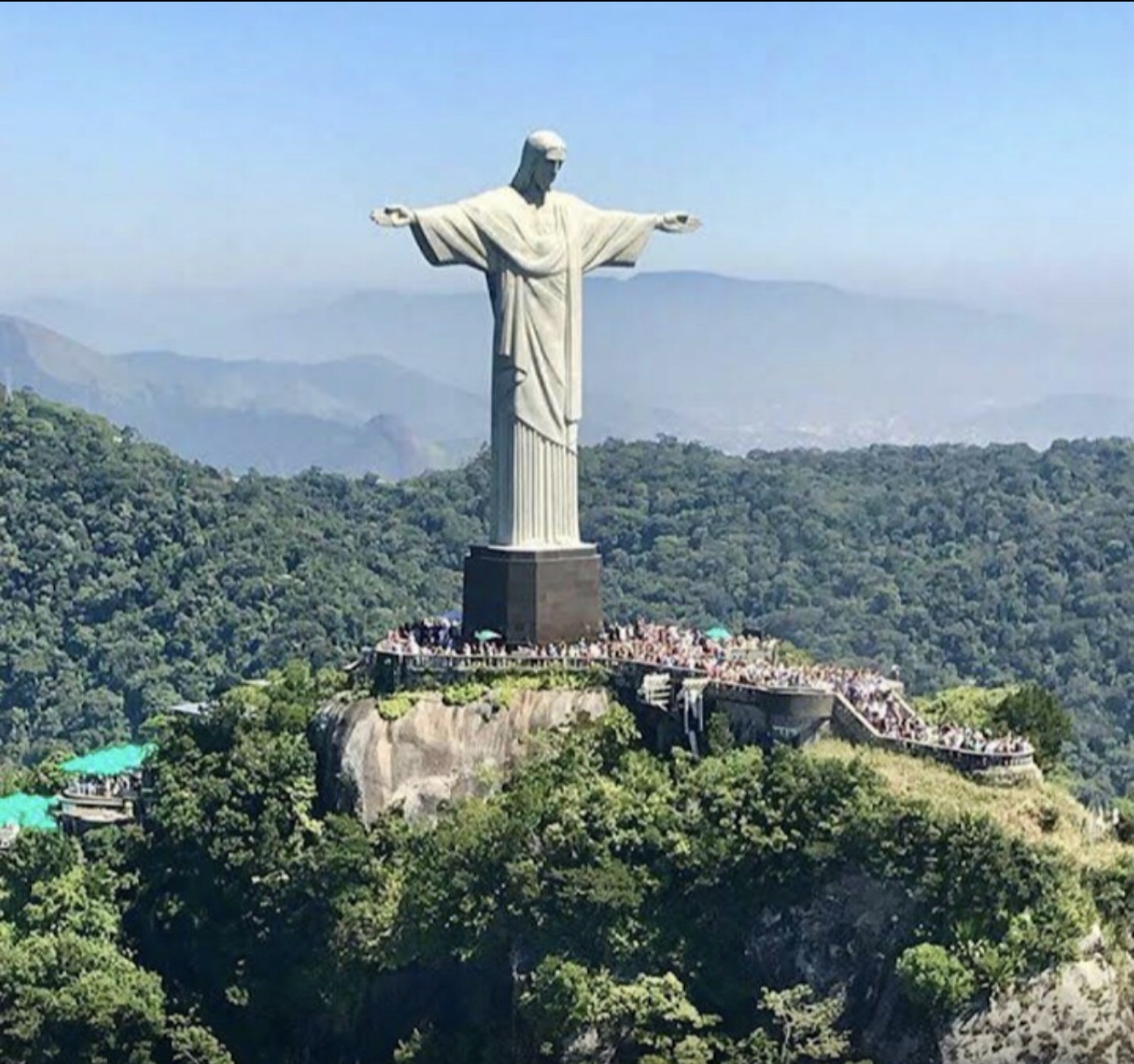
Brazil, a vast South American country, stretches from the Amazon Basin in the north to vineyards and massive Iguaçu Falls in the south. Rio de Janeiro, symbolized by its 38m Christ the Redeemer statue atop Mount Corcovado, is famed for its busy Copacabana and Ipanema beaches as well as its enormous, raucous Carnaval festival, featuring parade floats, flamboyant costumes, and samba music and dance. Vibrant São Paulo is packed with shops, restaurants and cultural institutions including the noted Museum of Art. Brazil’s capital, Brasília, founded in 1960, is a planned city with modernist buildings by Oscar Niemeyer. The northeastern state of Bahia, known for beaches and dense Amazon rainforest, reflects African influences in its capoeira martial arts, axé dance music and moqueca (a coconut milk-seafood stew). Its capital, Salvador, retains its 16th- and 17th-century core. Farther north are Alagoas’ coral reefs, Maranhão’s sand dunes and Portuguese colonial town Olinda. Western Pantanal’s wetlands shelter caimans and jaguars.Brasília, inaugurated as Brazil’s capital in 1960, is a planned city distinguished by its white, modern architecture, chiefly designed by Oscar Niemeyer. Laid out in the shape of an airplane, its “fuselage” is the Monumental Axis, 2 wide avenues flanking a massive park. In the “cockpit” is Praça dos Três Poderes, named for the 3 branches of government surrounding it. The iconic Congreso Nacional features 2 domed chambers split by twin towers. Facing the Supremo Tribunal Federal is Palácio do Planalto, the Brazilian presidential offices. Nearby is the Cathedral of Brasília, a crownlike structure with concrete ribs supporting stained glass. The adjacent, igloo-shaped Museu Nacional displays temporary art exhibits. The Brasília TV Tower offers panoramic views from its observation deck. Brasília’s “wings” hold numerous hotels, shops and restaurants. To the east, Paranoá Lake is popular for water sports, while cycle tracks criss-cross the 420-hectare Sarah Kubitschek municipal park.
Finland

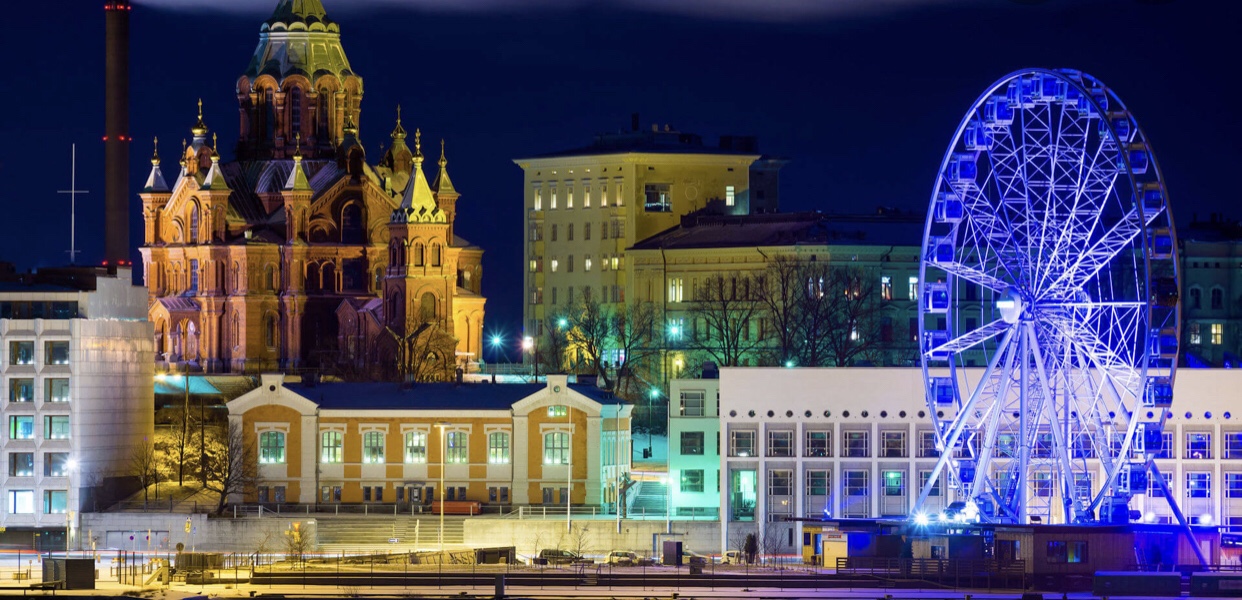
Finland is a Northern European nation bordering Sweden, Norway and Russia. Its capital, Helsinki, occupies a peninsula and surrounding islands in the Baltic Sea. Helsinki is home to the 18th-century sea fortress Suomenlinna, the fashionable Design District and diverse museums. The Northern Lights can be seen from the country’s Arctic Lapland province, a vast wilderness with national parks and ski resorts. Kayaking, boat tours and island hopping are popular activities around Helsinki and in the Archipelago Sea around Turku. The country’s interior, with thousands of lakes, is a summer destination with holiday cabins, swimming, fishing and sailing. Built on an isthmus between 2 large lakes, the industrial city of Tampere is home to the Finnish Hockey Hall of Fame museum. Savonlinna is known for its 15th-century Olavinlinna island castle. East of Helsinki, Porvoo has a medieval old town and an Iron Age fortress. Finland is renowned for its saunas and iconic designs, including Marimekko fabrics, Iittala glass and Aalto furniture. Helsinki, Finland’s southern capital, sits on a peninsula in the Gulf of Finland. Its central avenue, Mannerheimintie, is flanked by institutions including the National Museum, tracing Finnish history from the Stone Age to the present. Also on Mannerheimintie are the imposing Parliament House and Kiasma, a contemporary art museum. Ornate red-brick Uspenski Cathedral overlooks a harbor.
The city is also known for its landmark central railway station, designed by Eliel Saarinen. Temppeliaukio Kirkko, built in 1969, is an underground church carved into the bedrock that doubles as a concert venue. Stores in the Design District sell iconic Finnish products alongside modern clothing and antiques. Ferries carry visitors to island destinations such as Suomenlinna, home to an 18th-century sea fortress, and Seurasaari, with its open-air museum of traditional wooden buildings. Sightseeing boats cruise the surrounding archipelago, and ships depart for Sweden, Estonia and Russia.

Australia

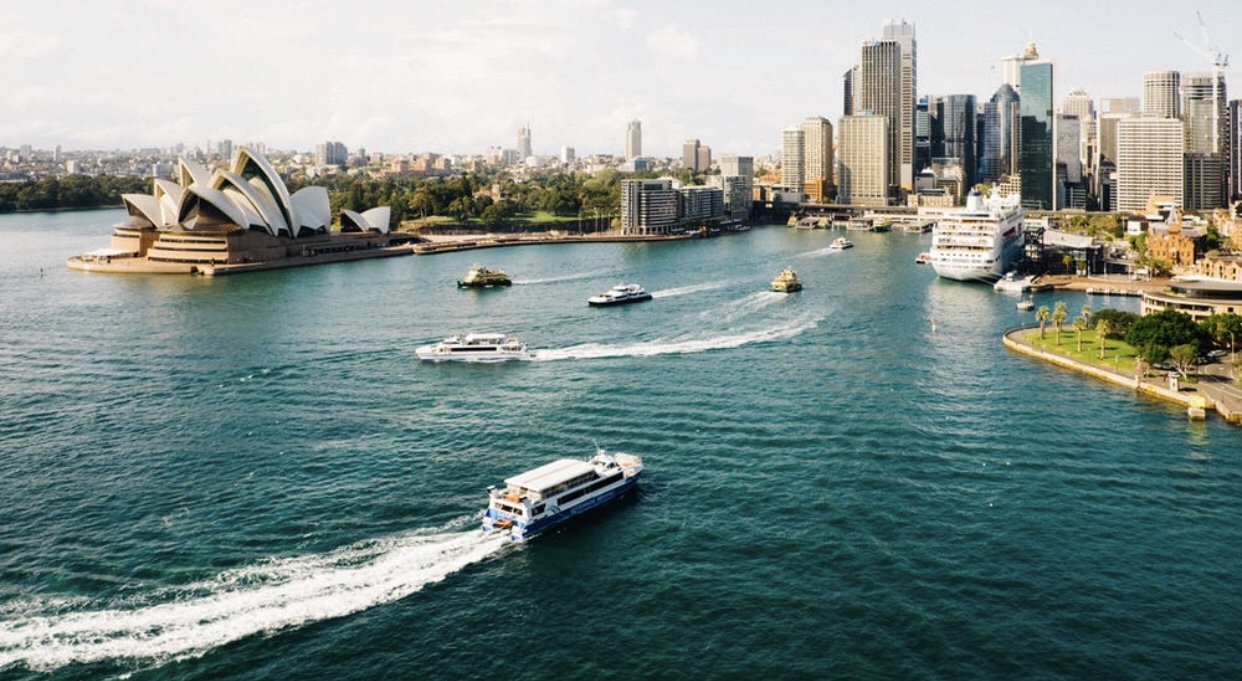
Australia is a country and continent surrounded by the Indian and Pacific oceans. Its major cities are Sydney, Brisbane, Melbourne, Perth, Adelaide are coastal. Its capital, Canberra, is inland. The country is known for its Sydney Opera House, the Great Barrier Reef, a vast interior desert wilderness called the Outback, and unique animal species like kangaroos and duck-billed platypuses.The Outback’s arid Red Centre region is home to the remote town of Alice Springs, a hub for Uluru-Kata Tjuta National Park. The park is the site of the Olgas geologic formation and Uluru (Ayers Rock), both sacred to the local indigenous people. Closer to the east coast, Cairns’ Tjapukai Aboriginal Cultural Park and Canberra’s National Museum of Australia both explore Aboriginal culture. The country is also known for outdoor activities like snorkelling, surfing, adventure sports and hiking. Visitors can explore rainforests, desert, beaches and alpine ranges, as well the Barossa Valley’s vineyards, known for their Shiraz wines. Sydney, capital of New South Wales and one of Australia’s largest cities, is best known for its harbourfront Sydney Opera House, with a distinctive sail-like design. Massive Darling Harbour and the smaller Circular Quay port are hubs of waterside life, with the arched Harbour Bridge and esteemed Royal Botanic Garden nearby. Sydney Tower’s outdoor platform, the Skywalk, offers 360-degree views of the city and suburbs. Sydney Aquarium, Taronga Zoo and Wildlife Sydney Zoo shelter animals like koalas, kangaroos, sharks and snakes. Pyrmont’s Sydney Fish Market has a working seafood auction and restaurants serving the day’s catch. There are multicultural dining opportunities all over the city, including in Haymarket’s Chinatown and the restaurants serving the Italian community in Leichhardt. A ferry ride through the harbour is part of the experience in visiting outer Sydney destinations such as Bondi and Manly Beaches – both popular for surfing.

Mexico

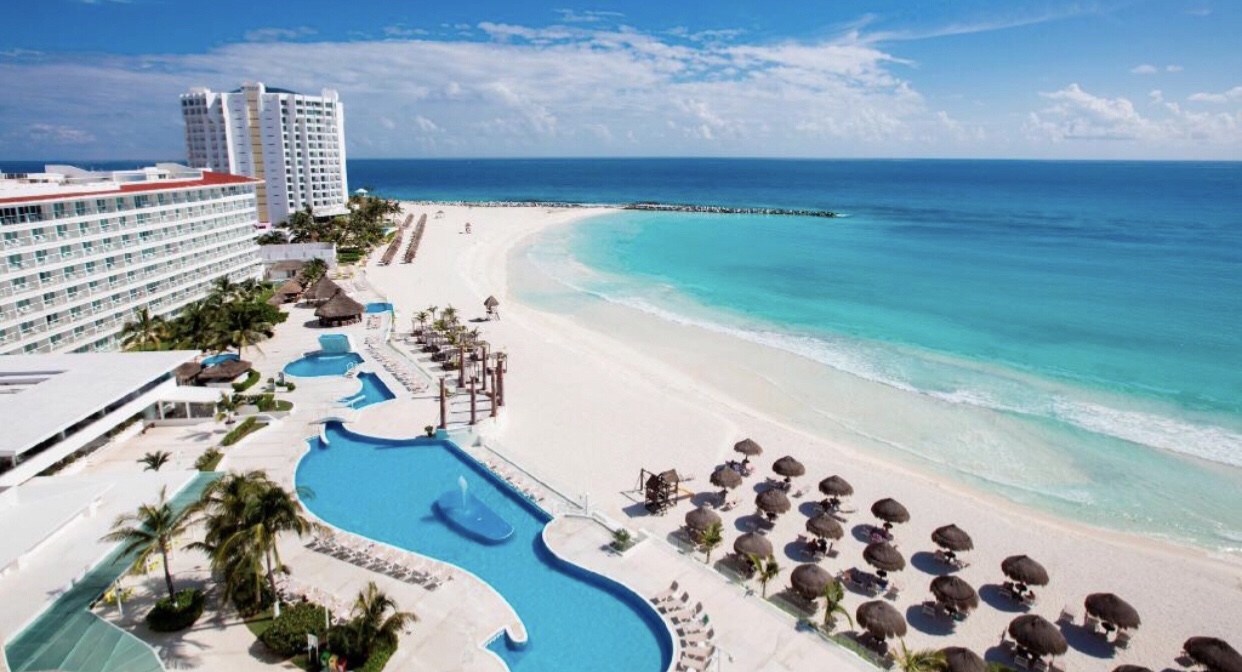
Mexico is a country between the U.S. and Central America that’s known for its Pacific and Gulf of Mexico beaches and its diverse landscape of mountains, deserts and jungles. Ancient ruins such as Teotihuacán and the Mayan city of Chichén Itzá are scattered throughout the country, as are Spanish colonial-era towns. In capital Mexico City, upscale shops, renowned museums and gourmet restaurants cater to modern life.The Yucatán Peninsula features beach resorts in Cancún and along the Riviera Maya, a stretch of white sand bordering the Mesoamerican Reef, making it popular for diving and snorkeling. The peninsula is also home to Cobá and Tulum, Mayan archaeological sites. Nearby in the Caribbean Sea is the island of Cozumel, renowned for its scuba diving. Other major seaside resorts include Cabo San Lucas and Puerto Vallarta. In the south, the states of Oaxaca and Chiapas are home to indigenous cultures that have maintained their traditional food, customs and crafts such as pottery and weaving. Cancún is a Mexican city on the Yucatán Peninsula bordering the Caribbean Sea and is known for its beaches, numerous resorts and nightlife. It’s composed of 2 distinct areas the more traditional downtown area, El Centro, and Zona Hotelera, a long, beachfront strip of high-rise hotels, nightclubs, shops and restaurants. Cancun is also a famed destination for students during universities’ spring break period.The main commercial street of the Zona Hotelera, Boulevard Kukulcán, is also the site of El Rey, ancient Mayan ruins, and the sleek Museo Maya de Cancún, housing Mayan artifacts. Besides swimming, popular water activities include snorkeling and diving along the Mesoamerican Reef, or in one of the region’s many sinkholes, known as cenotes. Sailing and jet-skiing are common in the calm Nichupté Lagoon. Making frequent voyages offshore are deep-sea fishing charters and ferries to nearby Isla Mujeres island, home of Garrafón Natural Reef Park. South of the city are Xcaret, a Mayan-themed eco park, and the Xel-Há water park.

United States

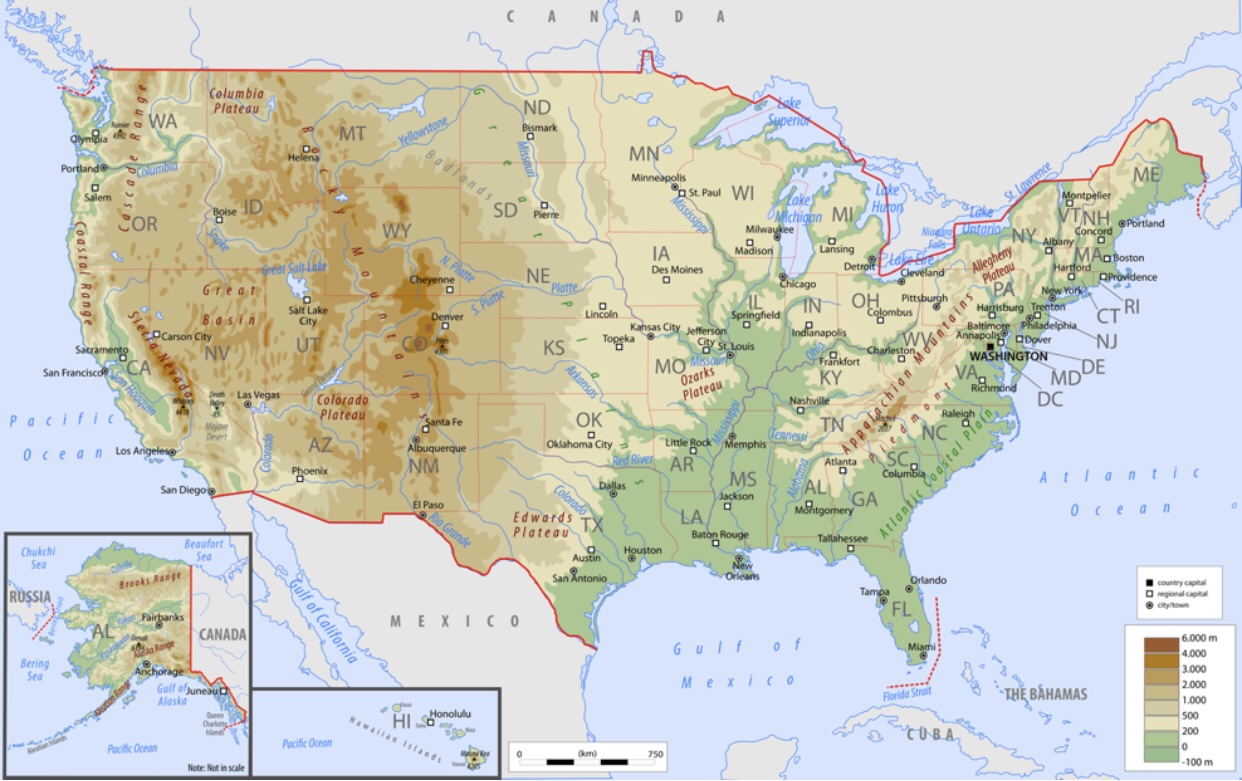
First we’ll talk about the good old US of A. The United States of America is a country in the continent of North America. The USA has many different iconic places that I’ll be talking about. New York is one of them. New York is is on the east coast and is a very busy state being as though it is global finance and trade center in the US. New York also has many tourist spots like the Statue of Liberty, the Brooklyn Bridge, and the Empire State Building. New York City is also featured in many movies like the Avengers. Next I’ll take you to the sunshine state Florida. It is called the sunshine state because as the name implies is very hot and the sun is always shining. Florida is also along the east coast and is a hub for tourism. It has many beaches, cities and many things to do. Orlando is one of its most popular cities. It contains lots of theme parks like Disney world, Universal Studios, and Sea World. Miami is another popular Florida city. It is famous for it’s beach thousands of people go there to have fun or relax in its white sand beaches. Now I’ll take you to the west coast to another one of the USA’s famous states California. California stretches from Mexico along the pacific for 900 miles. It has redwoods, cliff beaches, mountains, and a desert. California is home to San Francisco and it’s Golden Gate Bridge and Alcatraz island. The city of Los Angeles is also located in California and is the top of Hollywood entertainment. San Diego is known for its zoos and surfing. It is also one of California’s oldest cities. California has a national park. Yosemite national park has many things to do like hiking and river rafting.

China

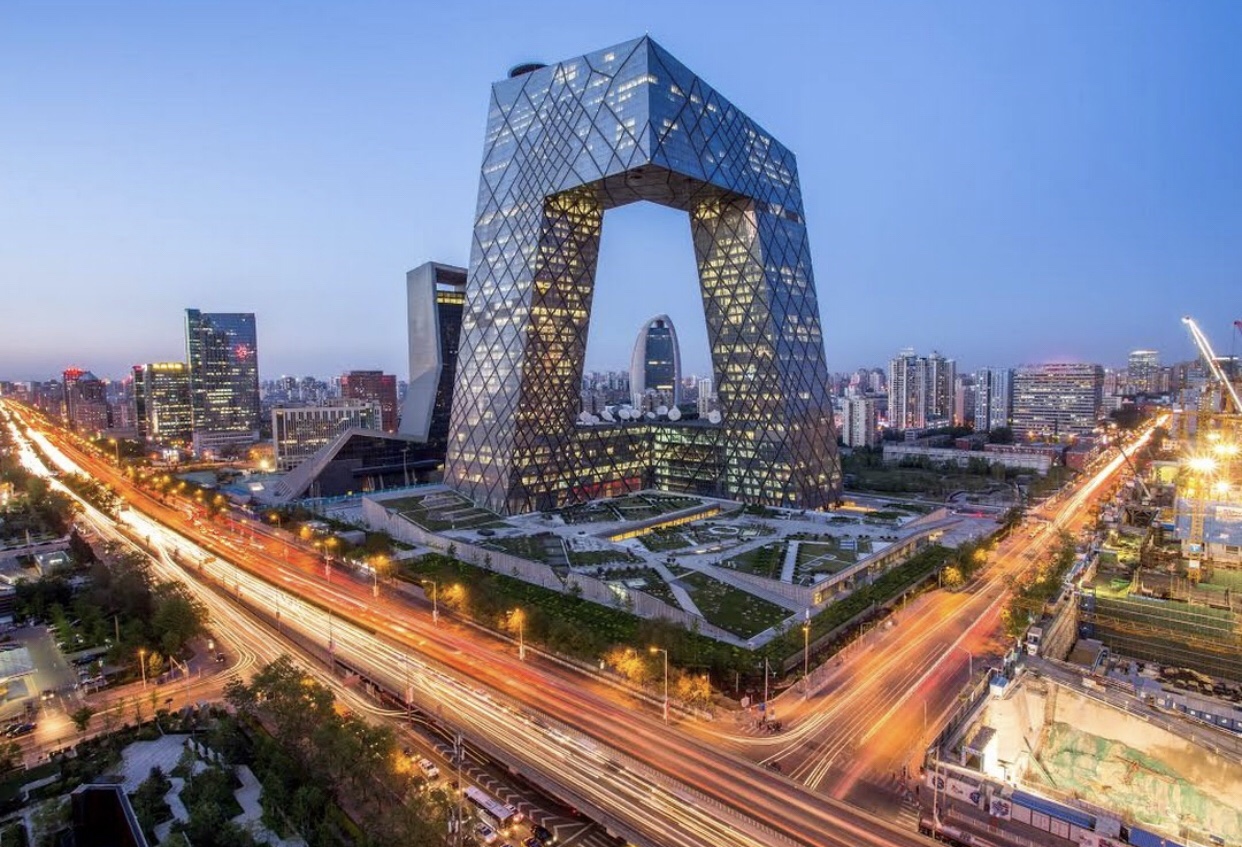
China is a populous nation in East Asia whose vast landscape encompasses grassland, desert, mountains, lakes, rivers and more than 14,000km of coastline. Capital Beijing mixes modern architecture with historic sites such as the Forbidden City palace complex and Tiananmen Square. Shanghai is a skyscraper-studded global financial center. The iconic Great Wall of China runs east-west across the country’s north. The city of Xi’an has the Terracotta Army archaeological site featuring thousands of sculpted warriors from the 3rd century B.C. From Xi’an, the ancient Silk Road trade route runs west through Dunhuang, where the Mogao Caves house Buddhist sculptures and murals, and Kashgar, with its renowned Sunday Market. In the south are Yunnan’s dramatic canyon, Tiger Leaping Gorge, and the city of Guilin, known for its karst peaks and the Li River. Hong Kong is known for its shopping, Victoria Peak views and harborside skyline. Remote Tibet is home to Mt. Everest and Potala Palace, the Dalai Lama’s former home. Beijing, China’s sprawling capital, has history stretching back 3 millennia. Yet it’s known as much for modern architecture as its ancient sites such as the grand Forbidden City complex, the imperial palace during the Ming and Qing dynasties. Nearby, the massive Tiananmen Square pedestrian plaza is the site of Mao Zedong’s mausoleum and the National Museum of China, displaying a vast collection of cultural relics. Other major attractions include the Summer Palace, the retreat of emperors with pavilions and gardens along Kunming Lake. Temple of Heaven is a park that’s home to the colorful, circular Hall of Prayer for Good Harvests. Beijing Olympic Park, built for the 2008 games, encompasses a long promenade and Beijing National Stadium, dubbed the “Bird’s Nest” for its interlocking steel grids. The Back Lakes district offers narrow old streets (hutongs) lined with boutiques and cafes. The 798 Art District hosts cutting-edge galleries. A popular side trip is an excursion to a nearby section of the Great Wall of China.

Design a site like this with WordPress.com
Get started